Founding the UX Writing discipline across Motorola’s mobile & wearable devices
During the Google-owned era, Motorola required an intuitive, human language to tie physical hardware and digital software together for a suite of category-defining devices.
Establishing the first dedicated UX writing discipline transformed content design from a late-stage handoff into a foundational design pillar.

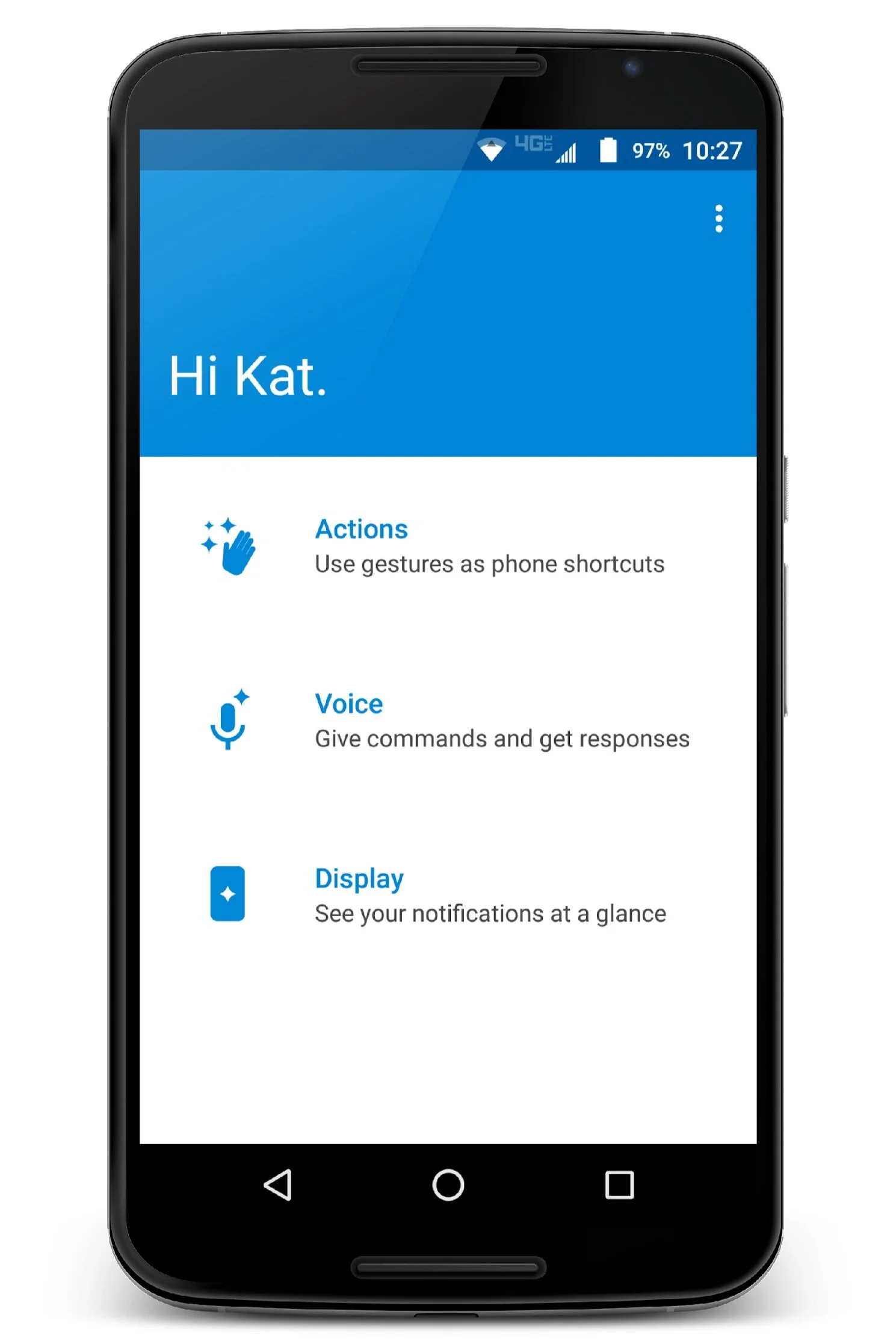
Bridging the physical-digital divide
Getting people comfortable moving their phones in mid-air for novel gestures like 'Twist for Camera' and 'Chop for Flashlight' meant designing tutorials that built instant trust. By pairing clear microcopy with synchronized visual and haptic feedback, abstract sensor interactions were demystified in real time. The resulting framework turned unfamiliar physical movements into everyday muscle memory, setting a new benchmark for hardware–software interaction design.
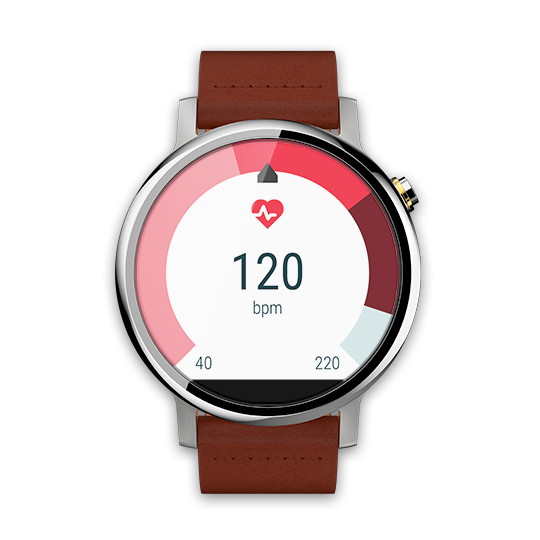
Architecting behavioral UX writing for glanceable interfaces
Designing for the wrist demands extreme economy of language and high contextual intelligence. Operating within the constraints of circular wearable displays, Moto Body required a content system that could deliver meaningful encouragement without cluttering the screen or overwhelming the user. Grounding the platform’s voice in actionable coaching rather than empty celebration established a distinct editorial standard.

Defining the narrative framework for Moto 360’s flagship watch face collection
To connect classic horology with everyday digital interactions, an editorial framework was created to give owners an insider’s lens into the design inspiration, mechanics, and subtleties of each digital adaptation. Standardizing a modular narrative structure across more than a dozen signature watch faces turned routine companion app descriptions into an engaging celebration of product craft, elevating how users understood and personalized their devices.
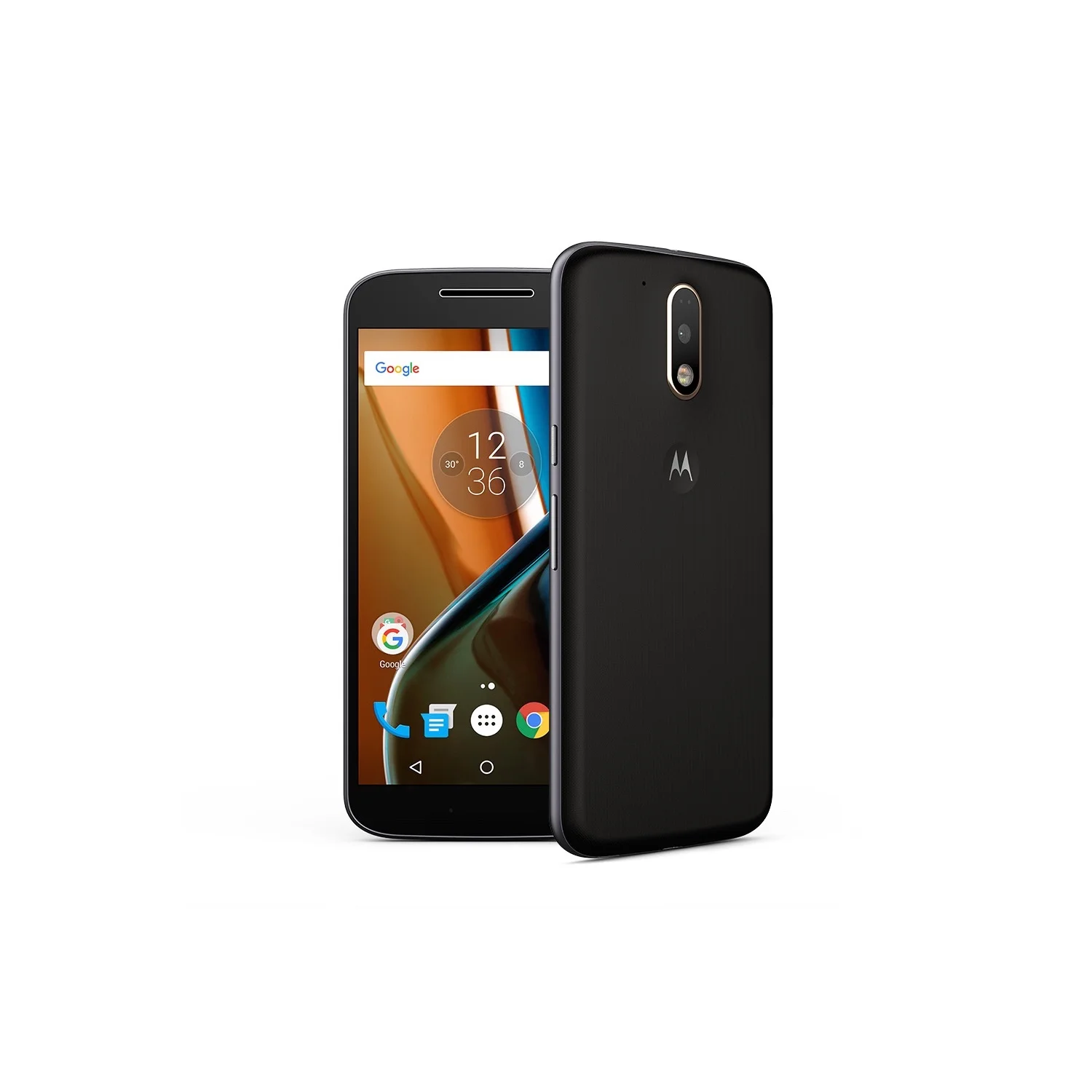
Unifying product voice globally with the first App Editorial Style Guide
As Motorola’s software ecosystem expanded, the product’s voice needed to be unified at scale. Establishing Motorola’s first comprehensive app editorial style guide transformed UX Writing from an ad-hoc deliverable into a core systems discipline. By operationalizing the work of words, the initiative eliminated terminology fragmentation and codified a repeatable benchmark for global UX quality.